Cologne.
Some cities arrive as a headline. Cologne arrives as a feeling that settles in slowly, like the Rhine moving past the embankment with steady purpose.
I think about Cologne as a place of thresholds. You step from the rush of the station into the shadow of the cathedral, then you step again into bright streets where daily life keeps its pace. The transitions feel smooth, almost choreographed, and they invite you to pay attention.
The first thing that stays with me is scale. The cathedral holds the skyline with a calm authority, and everything around it seems to take cues from that presence. People gather, cross, pause, then continue. The city seems to accept wonder as part of the routine.
Cologne also carries warmth in small gestures. A corner bakery at the right time of day. Friends leaning in over a table. The sound of conversation rising and falling as if the streets themselves are participating. It is a city where social life feels anchored and practiced.
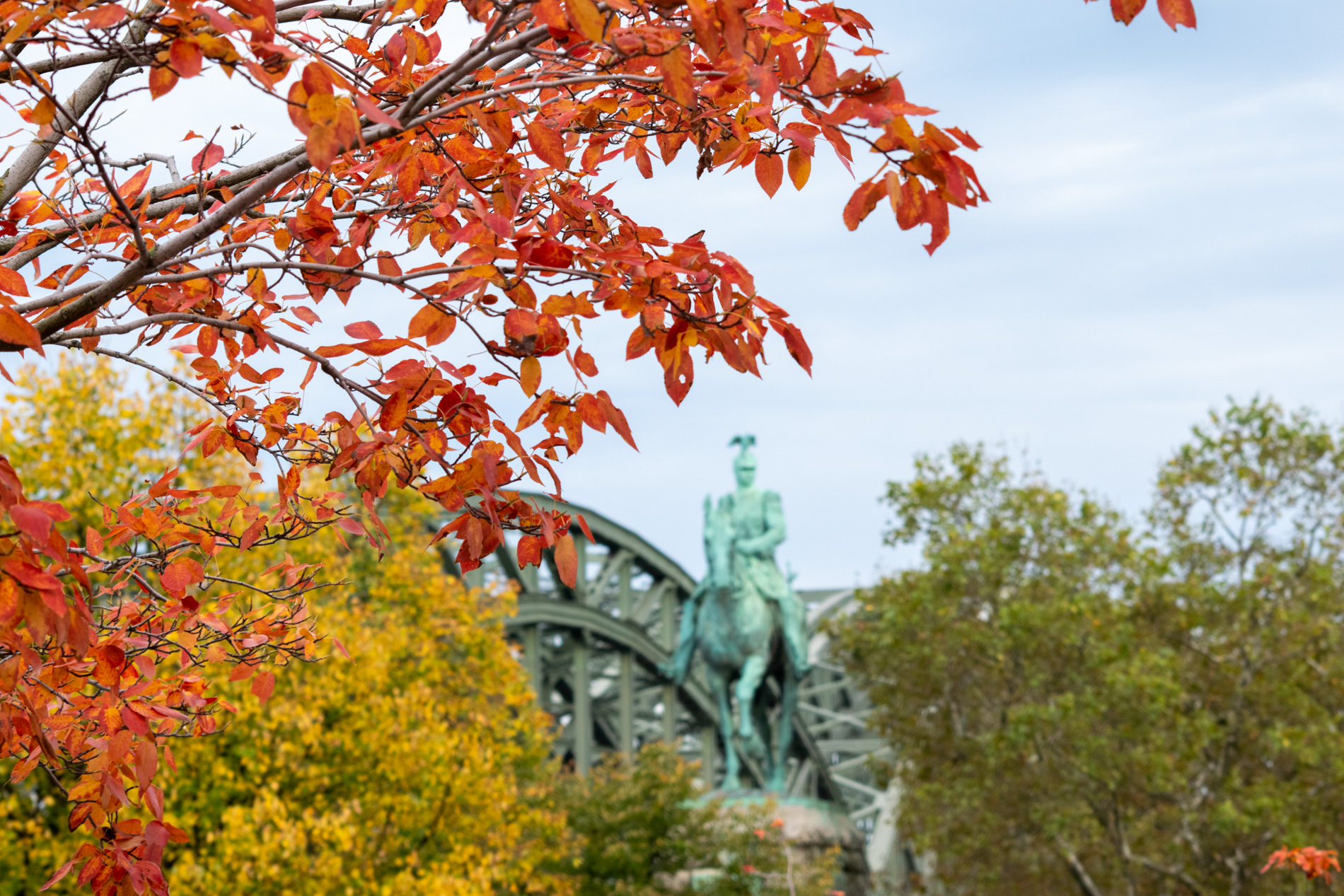
Along the river, Cologne opens up. The view stretches, the air shifts, and the city’s details start to arrange themselves into a wider picture. Bridges mark distance with elegance. Walkways invite lingering. You get the sense that the Rhine is both a landmark and a rhythm that locals have learned to live with.
What I appreciate most is the balance between history and everyday ease. Cologne does not present the past as a museum piece. It feels lived in, referenced, and carried forward through ordinary choices. That makes the city feel generous, as if it is offering context without demanding attention.
By the end of a day in Cologne, I usually leave with the same impression: the city does not rush to impress. It simply keeps showing up as itself, and that consistency becomes the story you remember.

Joshua Campbell
Director