automated business roadmap
20 Apr 2026
Most businesses don’t need more leads. They need a better system.
I keep coming back to this idea because it shows up in every growing organisation I meet. Growth amplifies whatever already exists behind the scenes. When the internal system is unclear, every new enquiry and every new project adds weight to an already overloaded structure. The result feels like being busy all the time while progress stays stubbornly incremental.
Scattered operations lead to:
– missed opportunities
– slow response times
– inconsistent customer experience
Those three outcomes are tightly connected. Missed opportunities often come from handoffs that fail, follow ups that live in someone’s head, or conversations that never make it into a shared place. Slow response times usually come from the same root cause, which is that nobody knows the next step with certainty, so everything waits on a person rather than flowing through a process.
Inconsistent customer experience is the one that tends to sting the most because it erodes trust. A customer can tolerate a delay if expectations are clear. They struggle when every interaction feels like it depends on which day they reached you, or who happened to pick up the request.
The fix isn’t working harder. It’s building the right infrastructure.
This is the shift that separates high effort teams from high clarity teams. Effort will keep you afloat, but it rarely creates stability. Infrastructure creates stability because it turns tribal knowledge into shared steps, shared tools, and shared standards. It gives your team a way to make good decisions quickly, even when the week gets chaotic.
Here’s the roadmap we use to turn chaos into clarity:
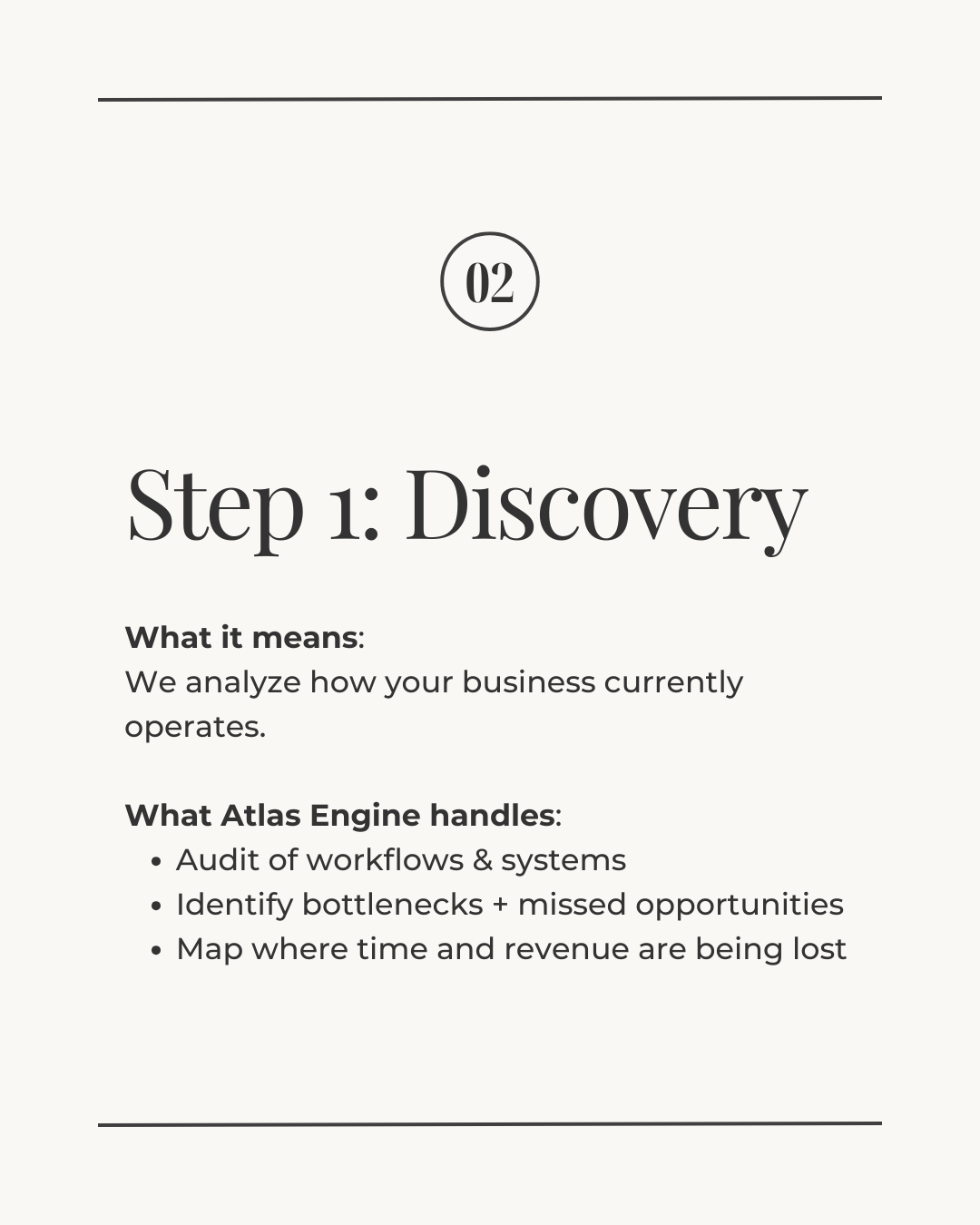
- Discovery: find what’s broken
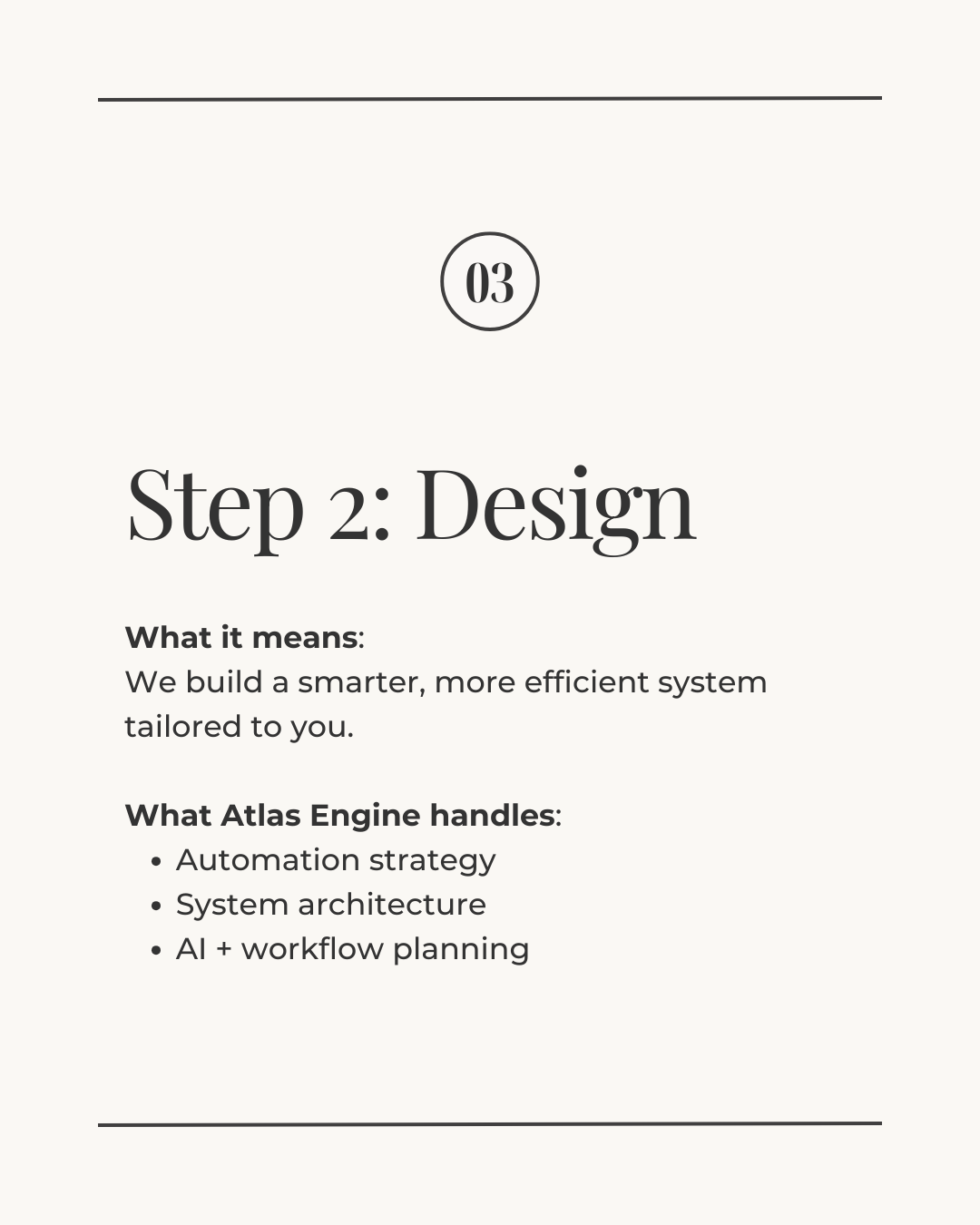
- Design: build the right system
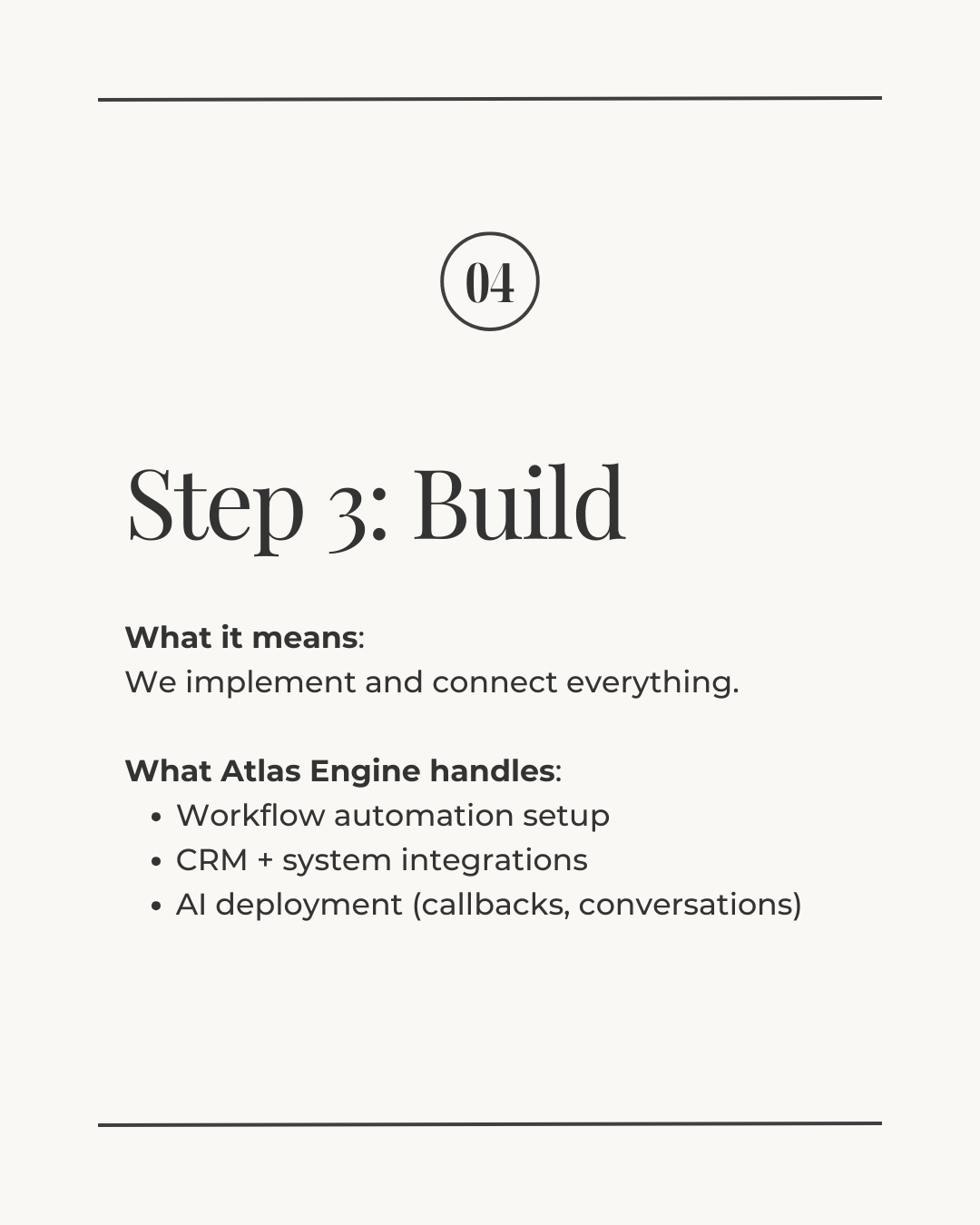
- Build: implement automation + AI
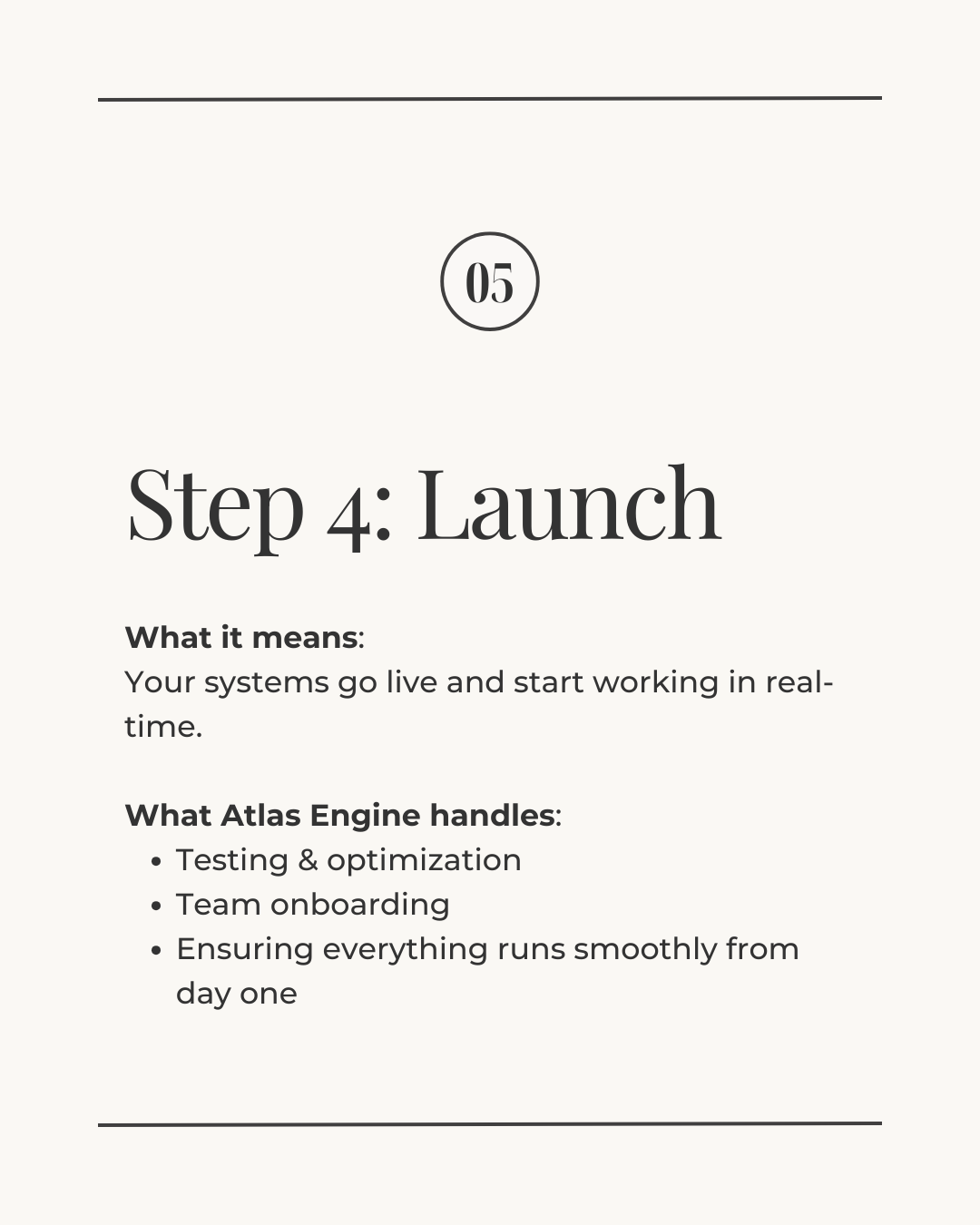
- Launch: go live with confidence
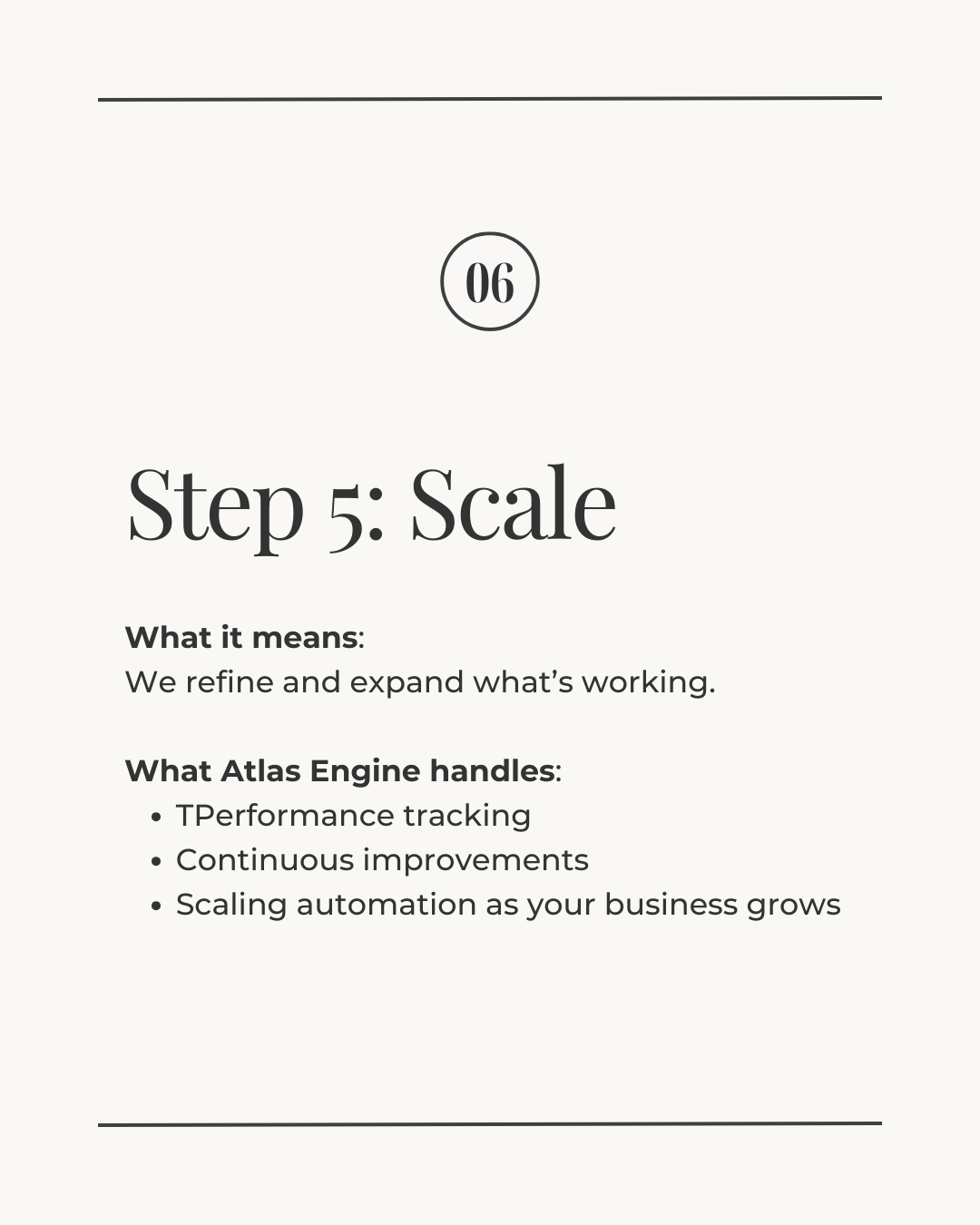
- Scale: optimize and grow
Discovery is where you slow down long enough to see the real friction. I look for bottlenecks, repeat questions, duplicate data entry, unclear ownership, and moments where customers fall through the cracks. The goal is to map what actually happens, not what the process document says happens.
Design is where you decide what “good” looks like. That includes defining stages, triggers, and responsibilities. It also includes agreeing on what information needs to be captured, where it lives, and how it moves from one step to the next. A good design reduces choices in the moment and increases quality across the board.
Build is where you translate decisions into working workflows. This is where automation and AI can remove manual admin, standardise communication, and surface the right context at the right time. The best builds feel invisible to the customer and surprisingly calming to the team because they reduce the amount of mental juggling required to keep work moving.
Launch is about adoption. A system only works when people use it, so launch needs training, clear ownership, and a short feedback loop. I like launches that include a runway, a clear cutover moment, and simple checks that confirm the workflow is behaving as expected in real conditions.
Scale is where you refine. Once the system is live, you can measure what matters, adjust steps, and remove edge case workarounds that crept in during the early days. Scaling also means building a habit of continuous improvement so the system stays aligned as your services, team, and customer expectations evolve.
In 90 days, your business can go from reactive… to structured, automated, and scalable.
Ninety days is enough time to build momentum without dragging the work out so long that it loses urgency. It gives you time to diagnose properly, implement thoughtfully, and settle the process into day to day reality. When the pieces align, the impact shows up fast in calmer operations, faster response, and more consistent delivery.
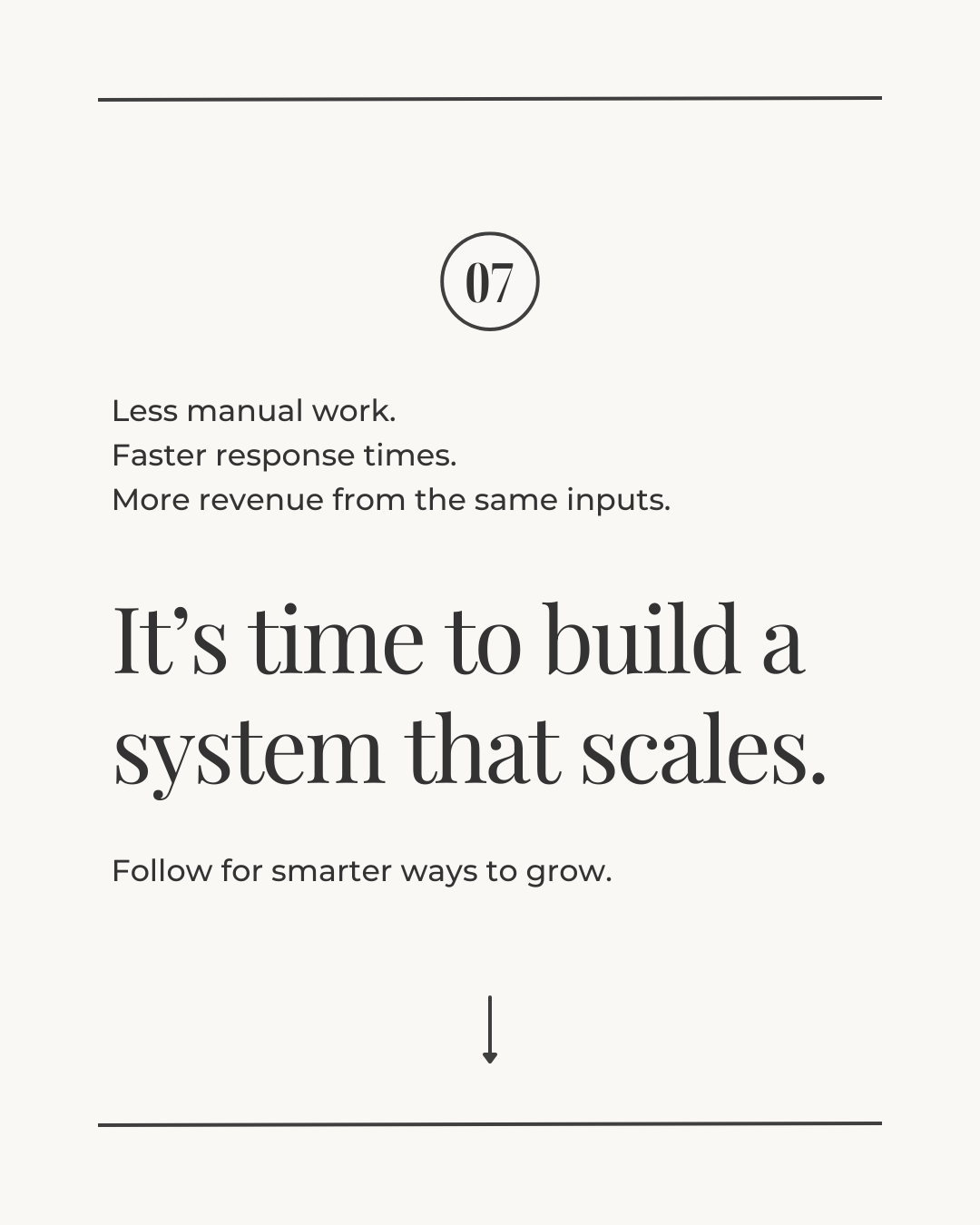
No guesswork. No wasted effort.
Just systems that work.
The real win here is focus. When the system carries the routine work, people can spend their attention on the work that requires judgement, creativity, and relationship building. The business becomes easier to manage because the outcomes become more predictable.
If you’re ready to operate at a higher level, it starts with fixing what’s behind the scenes.
Behind the scenes is where reliability is built. When you can see the flow of work, track what matters, and trust your handoffs, growth starts to feel like expansion rather than strain.
#BusinessAutomation #WorkflowAutomation #AIAutomation #AtlasEngine
Contributor