Barcelona, Spain
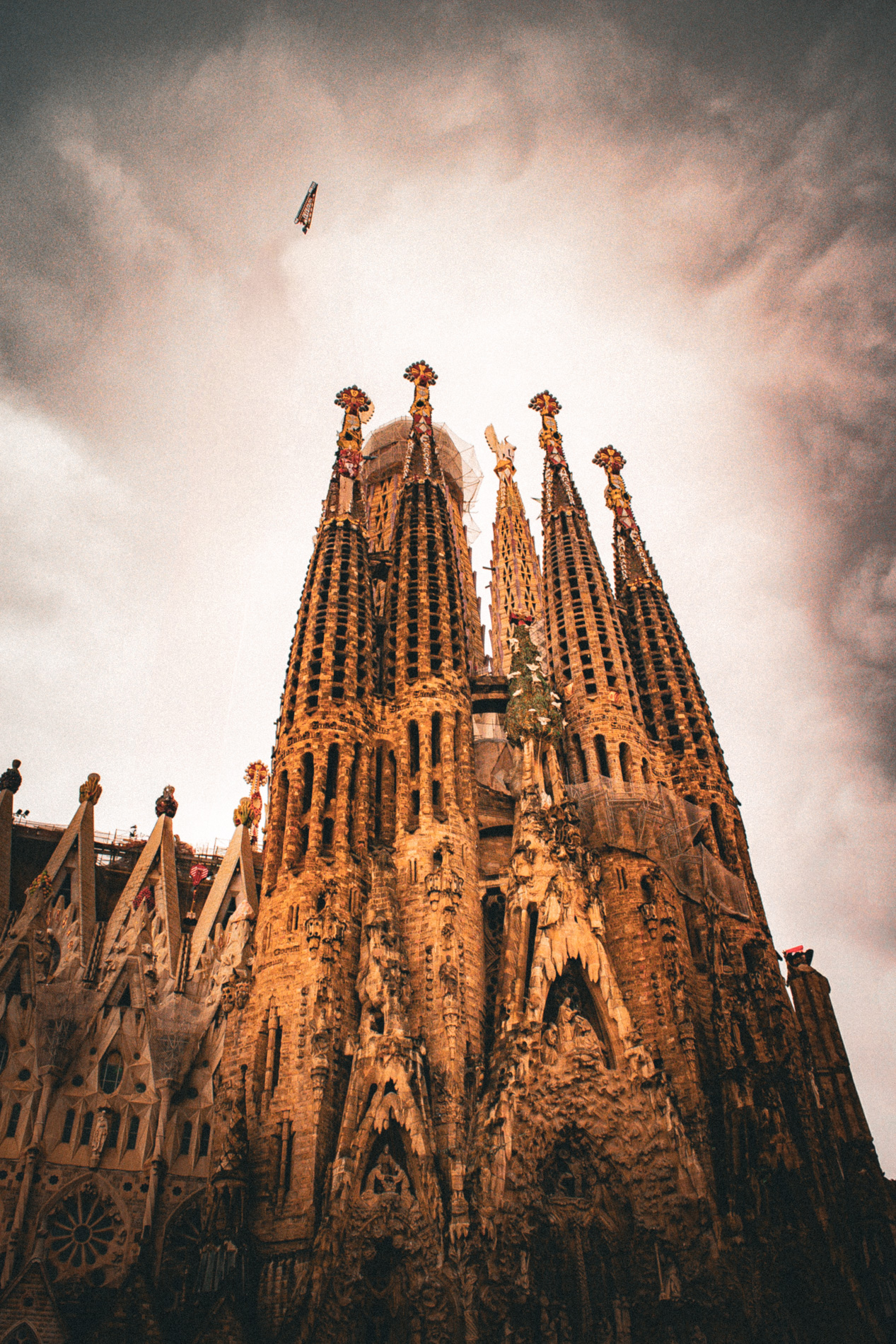
Barcelona, Spain. The city has a way of meeting you at street level first, then lifting your eyes upward. I notice it in the rhythm of the blocks, the sudden openings into plazas, the layered surfaces of stone and tile, and the constant conversation between old facades and everyday life. It feels like a place built for wandering, where each turn offers another detail worth pausing for.
The Sagrada Familia anchors that feeling. Even from a distance, the silhouette signals that you are approaching something singular. Up close, the scale becomes personal. You start reading it the way you would read a dense piece of craft, tracing choices, patterns, and intent across the surface. There is awe, of course, and also a kind of quiet attention that the building seems to request from you.
What strikes me is how the cathedral holds both complexity and clarity. The forms are intricate, yet the overall impression stays coherent. Light changes the experience hour by hour, shifting emphasis from one texture to another, making the same view feel newly composed. I find myself looking at the edges and transitions, where structure meets ornament, where shadow sharpens a line, where a curve carries you toward the next detail.
Barcelona rewards looking closely. Architecture here doubles as a visual language, with craft visible in the masonry, in the ironwork, in the small decisions that shape a doorway or a balcony. Photography becomes less about capturing a landmark and more about collecting relationships between shapes, colors, and human scale. The city offers frames everywhere, and the best ones often appear between the obvious spots.
Art in Barcelona does not stay contained. It spills into streets, into courtyards, into the patterns of daily movement. That presence changes how I move through the city. I slow down. I listen longer. I pay attention to how people inhabit space and how space, in return, shapes the mood of a moment.
Barcelona stays with me as a reminder that place can carry narrative. The city does not need to explain itself loudly. It invites curiosity, then gives you enough texture and contrast to keep that curiosity alive.