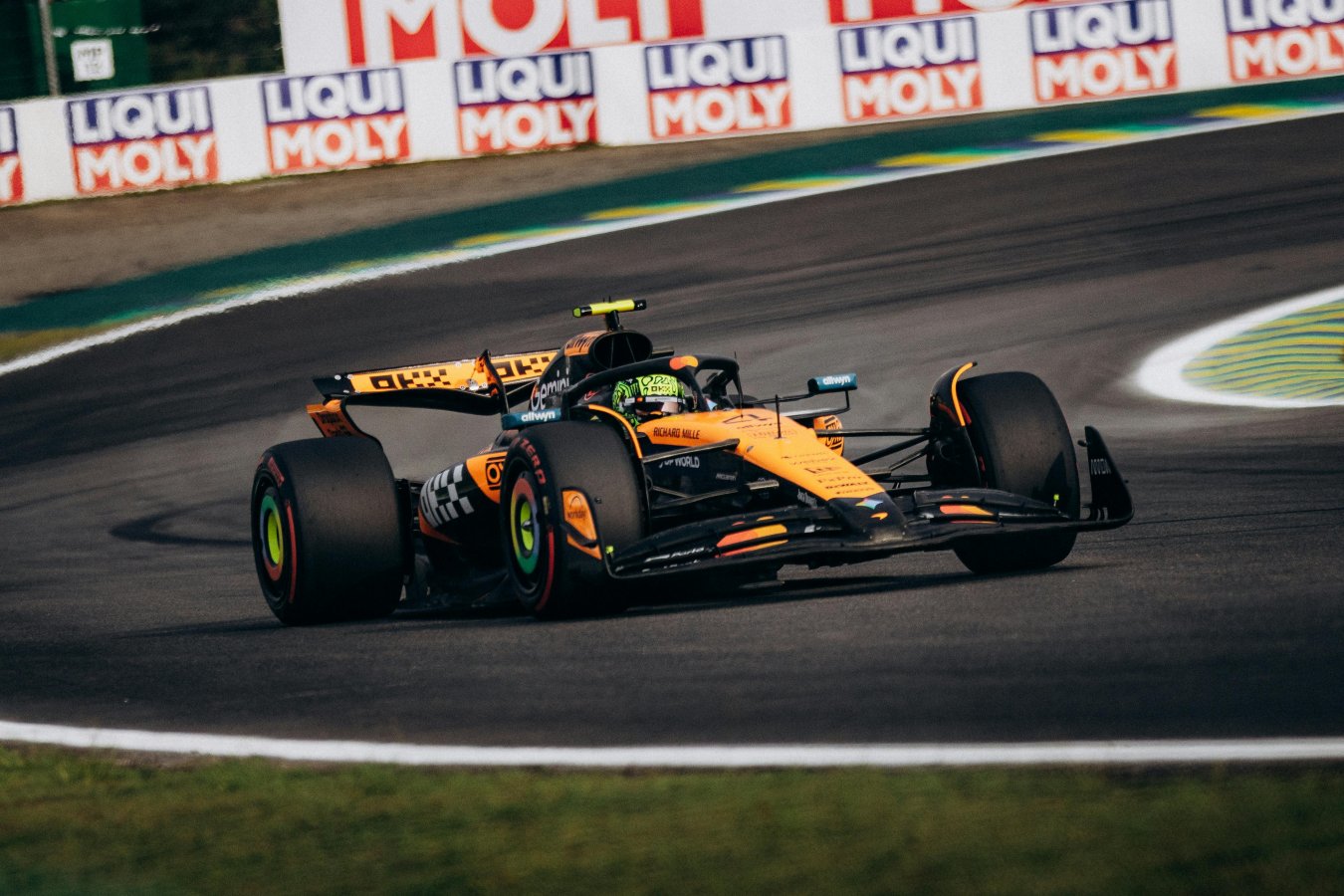
Hospitality is shifting from selling rooms to staging moments, and Formula 1 is the clearest signal of that change. I keep noticing how quickly the category is moving from transactions to experiences, because the modern guest is not only buying a bed for the night. They are buying a story they can step into, a feeling they can take home, and a reason to choose one brand over another next time.
When a global hotel brand ties itself to F1, it is buying cultural relevance, premium access, and a year round storytelling pipeline. The sport travels, the audience travels, and the conversation never really stops. That continuity matters because it turns a sponsorship into an operating system for attention and loyalty, not just a logo on a barrier.
The loyalty play
Experiential loyalty is becoming the competitive moat hotels cannot replicate with discounts alone. Points are still useful, but they are rarely exciting. The brands that feel different are the ones that make loyalty feel like membership, something that changes how a guest experiences the world rather than how much they save.
Track access, paddock moments, and city takeovers turn points into memories, and memories into pricing power. This is the part that fascinates me. Discounts train customers to wait for a deal, while experiences train customers to imagine themselves inside a lifestyle. When loyalty becomes a gateway to rare access, it stops being a back end program and becomes a front end promise.
Media and storytelling
As a filmmaker and marketer, I see these partnerships as an open studio on wheels. F1 is production value built into the calendar, with characters, stakes, and settings that change every week. If you are a hotel brand, you are not just adjacent to the event. You have a chance to capture what it feels like to arrive in a city during race week, to host, to explore, and to belong.
Behind the scenes content, fan stories, and local city narratives can feed owned channels for months, not days. The best material is not always the loudest. It is the human stuff. The rituals, the anticipation, the conversations in the lobby, the pre race coffee runs, the first time someone hears the cars from a balcony.
The brands that win will go beyond sizzle and shape a point of view that feels human, specific, and repeatable. That means deciding what the brand is actually documenting. Is it the craft of hospitality under pressure, the joy of the city, the community of fans, the cultural crossover? A clear point of view makes the story scalable, and it keeps content from turning into a highlight reel with no identity.
The tech stack
Great experiences fall flat without great pipes. It is easy to sell the dream in a campaign. It is harder to make redemption, access, and on site coordination feel seamless in real life. The gap between promise and execution is where loyalty either compounds or collapses.
This model demands clean identity, real time entitlements, dynamic inventory, and consent forward data flows across booking, ticketing, and on site apps. If a guest qualifies for an access moment, it should be recognized instantly across touchpoints, not manually verified in a back office spreadsheet. And if personalization is part of the value, the data needs to be trustworthy, permissioned, and portable across partners without creating a privacy mess.
Engineering teams will need modular services, strong partner APIs, and measurement that ties content and access to lifetime value, not vanity views. This is where marketing and technology finally have to agree on what success looks like. Reach is nice, but loyalty is the business outcome. The question is not only how many people watched a video, but how many high intent guests booked direct, returned, upgraded, or expanded their relationship with the brand because the experience felt meaningful.
Operational reality
F1 scale is seductive, but execution is where trust is earned. Big events reveal every weakness in a system. They also reveal whether a brand actually knows how to host, not just promote.
Design for equitable access, clear redemption rules, and local staff training so the moment feels effortless to guests. I think this is the unglamorous core of the whole strategy. If access feels arbitrary, if rules change, if staff are surprised by what was promised, the guest remembers the friction more than the spectacle. The best experiences feel simple because the complexity is handled behind the scenes.
Why this matters for the industry
Expect an arms race for marquee sports IP, with hotels acting more like media networks than inventory managers. Once one brand proves that an event partnership can move loyalty, drive direct demand, and generate consistent content, others will follow. The differentiation will come from how well the story is told and how reliably the experience is delivered.
Brands that build repeatable playbooks around major events will pull ahead in loyalty growth, direct booking share, and cultural relevance. Repeatable is the key word. A one off activation can spike attention. A system can shift perception. If a brand can take what it learns from one race weekend and apply it to the next city, the next sport, the next cultural moment, then loyalty becomes a flywheel.
For everyone else, the takeaway is simple. Start building an event ready content and data layer now, because the next check in begins long before arrival at the front desk. The guest journey starts at discovery, at aspiration, at the moment someone decides they want to be part of something. The brands that understand that will design loyalty as a narrative, not a coupon.
If you want to see why the stage is so powerful, look at how Formula 1 now lives across sport, entertainment, and travel in one continuous stream.

Joshua Campbell
Director